September 12, 2026

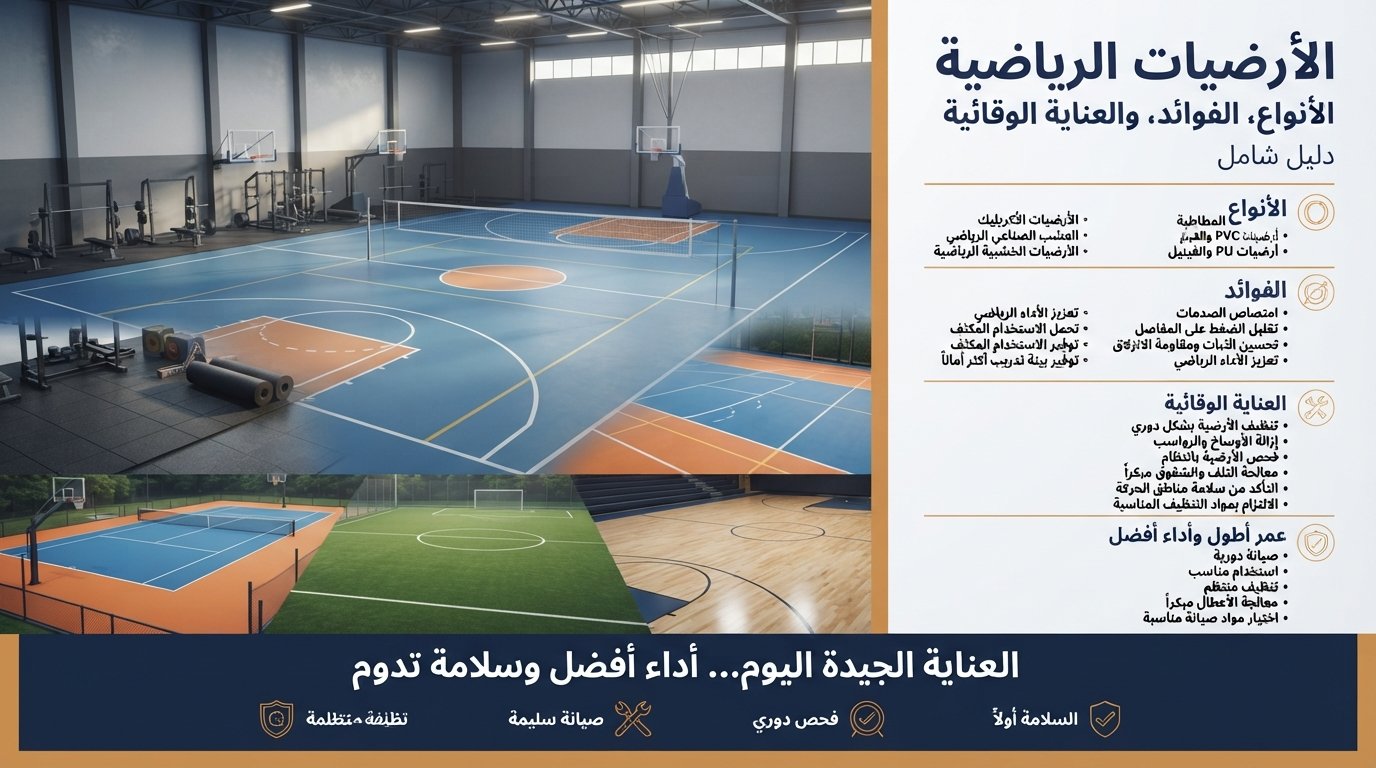
Sports flooring is an essential part of any sports facility. It affects more than just the appearance of the space; it plays an important role in player comfort, stability, and safety during movement. The right flooring choice depends on the type of sport, usage frequency, installation environment, performance requirements, and maintenance needs.
Sports flooring is available in a variety of systems and materials, with each type designed for specific activities and facilities:
Unlike training equipment, which targets specific muscle groups, the primary function of sports flooring is to provide a suitable surface for movement, stability, and safety.
Shock-absorbing properties can help reduce the impact associated with running, jumping, and repeated landings. This is particularly important in sports such as volleyball, gymnastics, and basketball.
The level of shock absorption varies from one flooring system to another, so the flooring should be selected according to the requirements of the sport rather than based solely on thickness or appearance.
Players need a surface that provides an appropriate level of traction without becoming slippery or restricting movement.
This feature is especially important in sports that involve sudden stops and changes of direction, such as basketball, tennis, and certain types of athletic training.
An appropriate flooring system can provide a more comfortable surface for training compared with surfaces that are not designed for sports use.
This becomes particularly important in facilities that accommodate large numbers of users or host long and frequent training sessions.
Certain flooring types, such as rubber flooring, can help protect the underlying surface from the impact of weights, equipment, and user activity, particularly in fitness centers and weight-training areas.
The type of surface can influence how players move and interact with the floor during running, jumping, stopping, and changing direction. Therefore, the flooring system should be selected according to the specific requirements of each sport.
Before making a purchase, consider the following:
For more details, see How to Choose the Right Sports Flooring for Your Facility?
Maintenance requirements vary depending on the flooring type, but regular inspection and cleaning help preserve performance and appearance while extending the flooring’s service life.
Artificial turf requires regular cleaning and brushing to remove dirt and debris that accumulate between the fibers.
The drainage system should also be inspected to ensure that water does not accumulate, particularly after rainfall or washing.
The court surface should be cleaned regularly to remove dust and debris that could affect traction and movement.
The surface should also be inspected periodically for cracks or wear, with any issues addressed according to the flooring system and the manufacturer’s instructions.
Rubber flooring should be cleaned using suitable, non-abrasive products. Seams, edges, and areas exposed to heavy use should be inspected regularly.
In weight-training areas, any cuts or separation in the flooring should be addressed early to prevent the damage from spreading.
These systems should be cleaned using products appropriate for the specific surface, while seams, joints, and edges should be inspected regularly.
Any raised or separated section of flooring should be assessed and repaired before it develops into a problem that could affect user safety.
Heavy equipment should not be dragged directly across vinyl flooring. Appropriate methods should be used when moving machines and equipment.
The floor should preferably be cleaned with mild products compatible with the manufacturer’s instructions, while edges and seams should be inspected regularly.
Certain practices can shorten the flooring’s service life or affect its performance characteristics:
Do not wait for significant damage before carrying out maintenance. Signs that the flooring requires inspection include:
If damage affects safety, the affected area should be taken out of service until it has been properly assessed and repaired.
Choosing the right sports flooring begins with understanding the nature of the sport, usage levels, and environmental conditions surrounding the facility. Rubber flooring has different applications from artificial turf, acrylic, or vinyl flooring, and each system has its own characteristics and maintenance requirements.
Installation quality is just as important as material quality. Therefore, it is important to choose a supplier capable of providing a complete solution that includes site assessment, supply, installation, and maintenance.
Al Etihad Sports Fitness provides comprehensive solutions for the supply, installation, and maintenance of various types of sports flooring, tailored to clubs, schools, hotels, and sports facilities.
Contact the sales team to request a customized quotation.