September 12, 2026

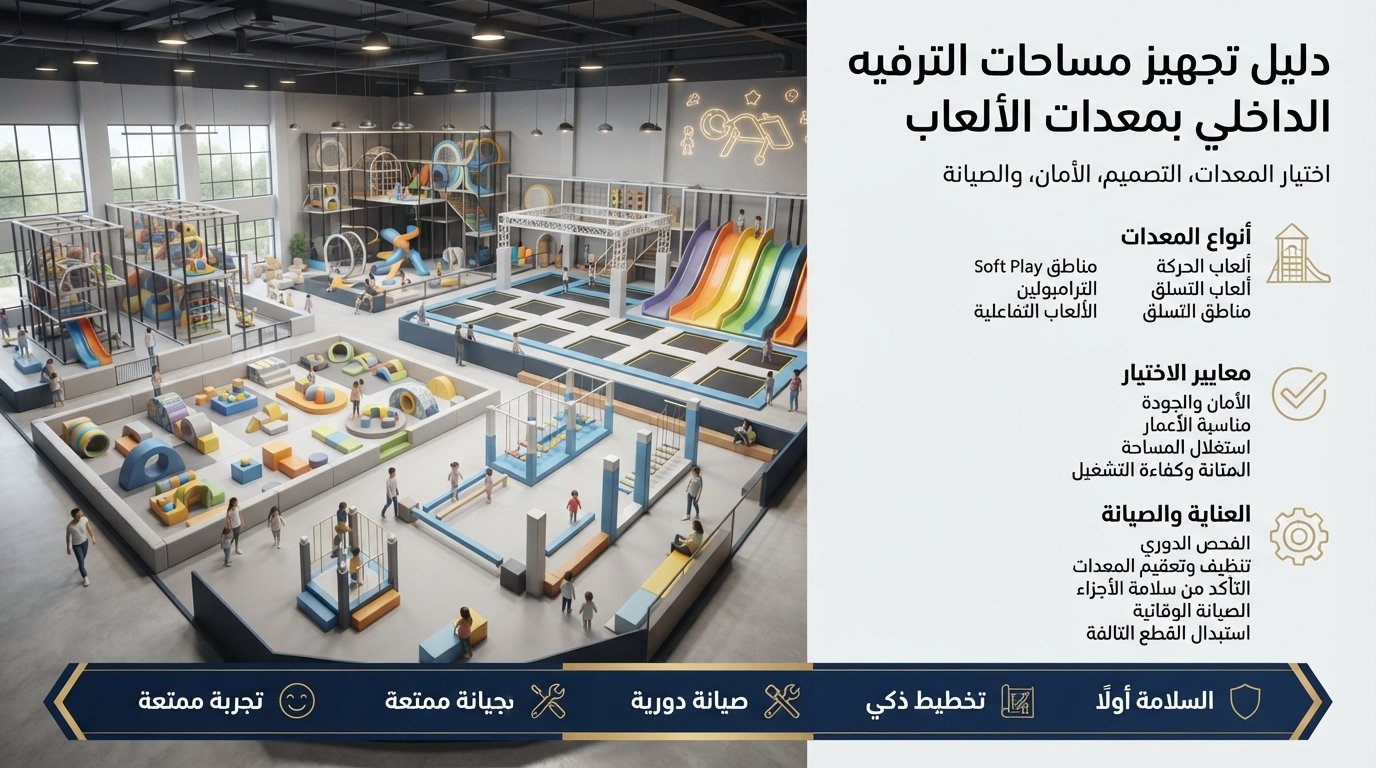
Creating a successful indoor recreation space involves more than simply choosing attractive games. It requires careful space planning, selecting equipment that can withstand daily use, and providing a safe and comfortable environment for different age groups.
Whether you are setting up an entertainment center, social club, hotel, or multipurpose hall, choosing the right equipment from the beginning can improve the visitor experience while reducing future maintenance costs and downtime.
Recreation equipment in entertainment centers and clubs is exposed to frequent use by large numbers of visitors, so its requirements differ from those of residential equipment.
When choosing table tennis tables, billiards tables, or foosball tables, look for:
Commercial-grade equipment may have a higher initial cost, but it is generally more suitable for facilities that operate daily and need to minimize breakdowns and downtime.
There is no single set of games suitable for every facility. Before purchasing, consider the users’ ages, the type of activity, and the available space.
These are suitable options for a wide range of age groups and can be used in clubs, entertainment centers, hotels, and social spaces.
However, sufficient clearance should be provided around each table so players can move freely without colliding with tables, walls, or other users.
Billiards and snooker tables require more space than some other table games because of cue length and the movement required around the table.
Special attention should also be given to lighting above the playing surface to provide balanced illumination without creating distracting glare for players.
Multi-game tables can be a practical option for smaller spaces that want to offer several activities without dedicating a separate area to each game.
Before purchasing, check the quality of the conversion mechanisms and how easily users can switch between different games.
A darts area requires clear planning of the playing lane and a safe zone behind and around the dartboard.
In family-oriented spaces, electronic darts or systems designed specifically for recreational use may be considered, with safety as a primary selection criterion.
Unlike specialized sports facilities, recreation centers often accommodate users of different ages and skill levels at the same time.
Therefore, attention should be paid to details that can affect safety, including:
In family-oriented spaces, equipment should be selected according to the target age group and the manufacturer’s usage instructions for each product.
Recreation equipment is frequently touched and used, so it should be easy to clean and maintain.
When selecting equipment, ask about:
For example, certain billiards table components can be replaced when worn, while other tables and equipment may require periodic inspection of hinges, rods, or moving mechanisms.
The easier the equipment is to maintain, the shorter its downtime is likely to be.
One of the most common mistakes is purchasing equipment first and then trying to find a suitable place for it.
A better approach is to prepare a layout of the space before purchasing. The plan should show:
This planning helps prevent overcrowding and creates a more comfortable visitor experience.
A facility’s needs may change over time, so it is useful to choose equipment that allows the space to be rearranged.
Foldable or movable tables provide greater flexibility, particularly in social clubs and multipurpose halls that host different events and activities.
Part of the space can also be reserved for mobile games that can be relocated depending on visitor numbers or the type of activity.
Storage is an important part of designing a recreation space, especially when the facility includes foldable equipment or multiple accessories.
A suitable storage area should be provided for:
Storage should ideally be dry, organized, and easily accessible without interfering with visitor movement.
There is no fixed number that applies to every center. The appropriate number depends on the available space, expected visitor volume, and the proportion of the facility allocated to games versus seating and service areas.
It is best to prepare a space layout and estimate the expected number of users during peak periods before determining the final number of tables.
Electronic darts can be a suitable option for family-oriented and recreational spaces, particularly when reducing the risks associated with sharp dart points is a priority. However, the equipment should be selected according to the target age group and usage instructions, with a safe playing area provided.
Yes. Combining these games can be highly suitable for entertainment centers and social clubs, provided that the equipment is laid out properly and sufficient clearance is maintained around each game.
Yes. Al Etihad Sports Fitness provides maintenance and technical support services for indoor game equipment, with spare parts available according to the type of equipment used.
Al Etihad Sports Fitness provides integrated equipment solutions for entertainment centers, multipurpose halls, and social clubs, including indoor game equipment, supply and installation services, maintenance, and technical support.
Contact our sales team to request a customized quotation.