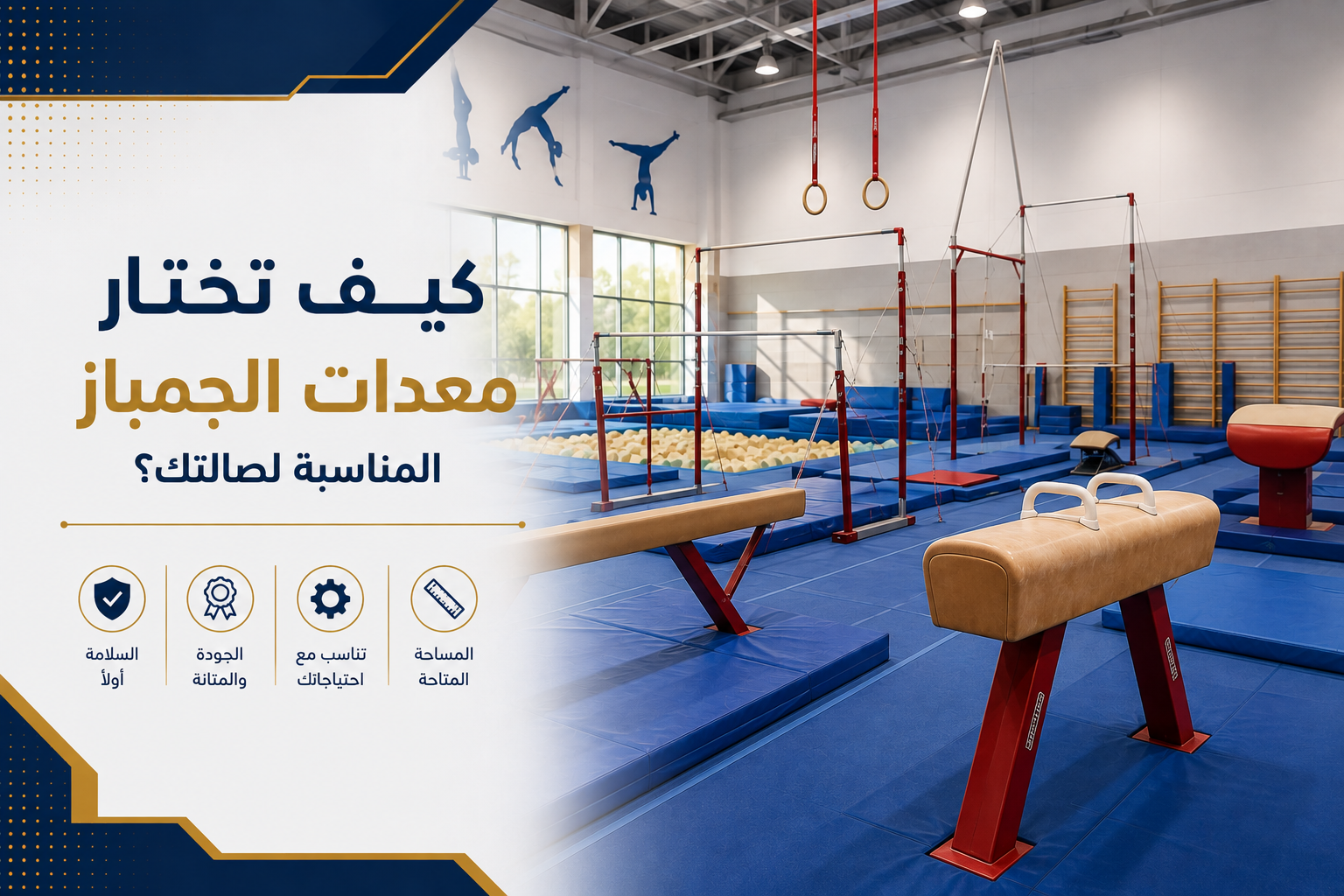
How to Choose the Right Gymnastics Equipment for Your Gym?
Setting up a safe and effective gymnastics facility is not simply a matter of purchasing equipment. It is a decision that affects athlete safety, training quality, and operating costs for years to come. Whether you are equipping a school gym for beginners or a club facility for professional training and competitions, choosing the right equipment starts with understanding the facility’s needs and the athletes’ skill levels.
Here are the key factors to consider before making a purchase.
1. Match the Equipment to the Training Level
Equipment designed for children and beginners differs from equipment intended for advanced training and official competitions.
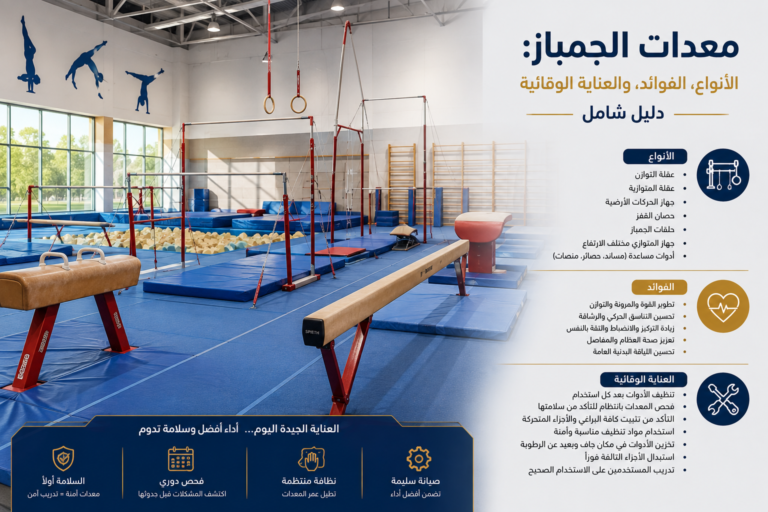
For example, an adjustable-height balance beam designed for basic training can be a suitable option for schools and beginner classes. Competitive teams, on the other hand, require equipment with precise specifications that comply with the requirements of the International Gymnastics Federation (FIG), including dimensions, stability, and vibration resistance.
Therefore, determine the intended level of use before comparing models and prices.
2. Prioritize Durability Over Price
Equipment such as parallel bars and vaulting platforms is exposed to significant loads, friction, and repeated use, particularly in facilities that accommodate large numbers of athletes every day.
Look for equipment made from durable materials, with strong frames, reliable fastening mechanisms, and wear-resistant surfaces. Investing in higher-quality equipment initially may be more cost-effective in the long term because it reduces the need for frequent repairs and replacements.
3. Make Safety a Priority
Safety should be the first consideration when equipping a gymnastics facility, not an additional feature after purchasing the equipment.
- Make sure appropriate landing mats are provided beneath rings, vaulting platforms, and other equipment that requires additional protection.
- Request certificates of conformity and relevant technical standards from the supplier before signing a contract.
- Leave sufficient safety clearance around each piece of equipment according to the manufacturer’s instructions and intended use.
- Use shock-absorbing sports flooring in appropriate areas to help reduce the risk of injuries.
- Ensure that installation and anchoring are carried out by qualified technicians, especially for equipment that relies on anchor points or tension systems.
For more information, you can also refer to the guide on choosing the right sports flooring.
4. Consider Gym Space and Storage
Before purchasing equipment, measure the available space and determine areas for movement, training, safety zones, and storage.
Adjustable or portable balance beams and vaulting platforms can be a practical option for multi-purpose facilities, particularly schools and venues that need to change the layout between gymnastics classes and other activities.
Do not forget to account for the storage space required when the equipment is not in use.
5. Don’t Overlook Maintenance and Technical Support
Gymnastics equipment requires regular inspection and maintenance to maintain safety and performance. Depending on the type of equipment, inspections may include bolts, anchor points, tension systems, padding, and various surfaces.
When choosing a supplier, ask specifically about:
- Regular maintenance plans.
- Availability of genuine spare parts.
- Warranty period and terms.
- Installation and setup services.
- Response times for breakdowns and after-sales technical support.
A good supplier does more than simply deliver and install the equipment; they help you keep it safe and effective throughout its service life.
Conclusion: 4 Points to Consider Before Buying Gymnastics Equipment
- Determine the training level: Foundation, advanced training, or competition.
- Prioritize safety and durability: Especially landing mats, flooring, and anchoring systems.
- Request technical documentation: Make sure the equipment meets the standards appropriate for your intended use.
- Ask about after-sales support: Maintenance, warranty, spare parts, and technical support are just as important as the purchase price.
Frequently Asked Questions
How much does it cost to equip a medium-sized school gymnastics gym?
The cost varies depending on the gym’s size, number of equipment pieces, equipment level, type of flooring, and required safety systems. It is therefore preferable to conduct a site assessment and request a customized quotation rather than relying on a general estimate.
Can installation be provided with the supply of gymnastics equipment?
Yes. Supply and installation can be provided together, with the option of developing a regular maintenance plan after handover based on the type of equipment and the nature of its use.
Can the equipment be customized according to the gym’s available space?
Yes. The setup process typically begins with assessing the available space and identifying the facility’s requirements, followed by recommending suitable dimensions and layouts that make the best use of the available area while maintaining appropriate safety and movement zones.
Equip Your Gym with the Right Equipment
At Al-Etihad Sports Fitness, we provide a comprehensive range of gymnastics equipment suitable for schools, clubs, and sports facilities, along with supply, installation, maintenance, and after-sales technical support services.